
Sustainability · 2025
In this section48 topics
- Sustainability Policy2 items
- Sustainability Goals & UN SDGs3 items
- Policy Review3 items
- Business Value Chain1 item
- Stakeholder Analysis1 item
- Environmental Policy & Guidelines3 items
- Environmental Policy Review3 items
- Energy — Plan & Guidelines2 items
- Energy — Electricity Consumption1 item
- Energy — Fuel Consumption1 item
- Energy — Targets1 item
- Energy — Performance & Outcomes1 item
- Water — Plan & Guidelines1 item
- Water — Withdrawal, Discharge & Consumption1 item
- Water — Targets1 item
- Water — Performance & Outcomes1 item
- Waste — Plan & Guidelines2 items
- Waste — Generation, Disposal & Recycling1 item
- Waste — Targets1 item
- Waste — Performance & Outcomes2 items
- GHG — Plan & Guidelines1 item
- GHG — Emissions1 item
- GHG — Emissions Verification1 item
- GHG — Targets1 item
- GHG — Performance & Outcomes1 item
- Environmental Legal Incidents1 item
- Other Environmental Management1 item
- Social Policy & Guidelines3 items
- Social Policy Review1 item
- Social — Principles & Standards Practised1 item
- Human Rights Due Diligence2 items
- Employees — Plan & Guidelines3 items
- Employees — Workforce1 item
- Employees — Remuneration & Provident Fund1 item
- Employees — Training & Development1 item
- Employees — Occupational Health & Safety1 item
- Employees — Labour Relations1 item
- Employees — Employee Representation2 items
- Employees — Targets1 item
- Employees — Performance & Outcomes1 item
- Customers — Plan & Guidelines3 items
- Customers — Satisfaction Results1 item
- Customers — Targets1 item
- Customers — Performance & Outcomes2 items
- Community & Social — Plan & Guidelines3 items
- Community & Social — Targets1 item
- Community & Social — Performance & Outcomes2 items
- Law Violation Incidents1 item
Sustainability Policy
Has a Sustainability Policy
Yes
Policy Description
Sustainability Policy
Onsen Retreat and Spa Group Public Company Limited
1. Principles and Rationale
Onsen Retreat and Spa Group Public Company Limited (the “Company”) recognizes the importance of sustainable business operations as a key factor in achieving stable and long-term growth, while creating value for all stakeholders. The Company is therefore committed to conducting its business in accordance with the principles of sustainable development, balancing economic growth with social responsibility and environmental stewardship.
The Company places great importance on operating its business in accordance with the Environmental, Social, and Governance (ESG) framework to ensure that its operations are transparent, accountable, and capable of creating positive impacts on society and the environment in the long term.
Furthermore, the Company believes that responsible business conduct, with due consideration given to stakeholders, will help strengthen the confidence of shareholders, customers, employees, business partners, communities, and society as a whole. This approach also enhances the Company’s competitiveness and supports sustainable business growth in the long run.
Accordingly, the Company has established this Sustainability Policy as a framework for conducting its business in alignment with good corporate governance principles, the sustainability guidelines of the Stock Exchange of Thailand, and relevant international standards.
2. Scope of the Policy
This Sustainability Policy applies to the Company’s business operations, its subsidiaries, and stakeholders involved throughout the Company’s business value chain, including:
Shareholders
Customers
Employees
Business partners and suppliers
Government agencies
Communities and society
The Company expects its directors, executives, employees, and all relevant persons involved in its business operations to adhere to the principles outlined in this policy. The Company also encourages its business partners and suppliers to conduct their operations in line with sustainable business practices.
The Company strives to integrate sustainability principles into all aspects of its business operations, including corporate strategy, operational processes, risk management, and the development of products and services, in order to create long-term value for all stakeholders.
3. Sustainability Implementation Framework
The Company has established sustainability practices covering three key dimensions: Environmental, Social, and Governance (ESG), in order to ensure responsible business operations and alignment with sustainable development principles.
3.1 Environmental Dimension
The Company is committed to conducting its business in an environmentally responsible manner and minimizing environmental impacts arising from its operations. The Company emphasizes the efficient use of natural resources and environmental conservation throughout its operational processes.
Key environmental practices include:
Efficient management of natural resources such as energy, water, and raw materials
Promoting energy efficiency and reducing greenhouse gas emissions from business operations
Reducing operational waste and supporting resource reuse and recycling
Reducing the use of single-use plastics and promoting environmentally friendly materials
Proper management of wastewater and waste in compliance with applicable laws and standards
Raising environmental awareness among employees and stakeholders to encourage participation in environmental protection
The Company aims to minimize environmental impacts from its operations while contributing to the conservation of natural resources and maintaining a balance between business growth and environmental sustainability.
3.2 Social Dimension
The Company places importance on treating all stakeholders fairly and fostering positive relationships between the Company and its stakeholders. The Company aims to create shared value between the organization and society.
Employees
The Company recognizes that employees are a key resource for organizational success. Therefore, the Company is committed to enhancing employee capabilities and creating a supportive working environment through the following initiatives:
Promoting occupational health, safety, and appropriate working conditions
Continuously developing employees’ skills and competencies
Encouraging diversity, equality, and non-discrimination
Promoting employee engagement and participation in organizational development
Customers
The Company prioritizes delivering high-quality and safe services in order to maximize customer satisfaction. Key practices include:
Providing high-quality services that meet established standards and prioritize customer safety
Protecting customers’ personal data and maintaining confidentiality of information
Listening to customer feedback and suggestions to improve service quality
Promoting positive customer experiences and building long-term relationships with customers
Communities and Society
The Company is committed to conducting its business with consideration for the impacts on communities and society. Key practices include:
Supporting community development and social contribution initiatives
Promoting the use of locally sourced products and materials
Encouraging local employment and community capability development
Building positive and sustainable relationships with communities surrounding the Company’s business locations
3.3 Governance Dimension
The Company conducts its business in accordance with good corporate governance principles, emphasizing transparency, accountability, and ethical business conduct in order to build trust among stakeholders.
The Company’s governance practices include:
Conducting business in accordance with good corporate governance principles
Preventing and combating corruption in all forms
Implementing systematic risk management processes
Ensuring compliance with applicable laws and regulations
Protecting data and strengthening cybersecurity practices
Disclosing accurate, transparent, and timely information
The Company aims to cultivate an organizational culture that emphasizes ethics, accountability, and transparency to ensure sustainable business operations.
4. Policy Governance
The Board of Directors is responsible for overseeing and setting the strategic direction for sustainability to ensure that the Company’s operations align with this Sustainability Policy and good corporate governance principles.
Management is responsible for integrating sustainability practices into the Company’s business operations, including establishing action plans, monitoring progress, and regularly reporting performance to the Board of Directors.
5. Policy Review
The Company will review and update this Sustainability Policy on an annual basis to ensure alignment with business circumstances, international standards, applicable laws, and stakeholder expectations.
The purpose of this review is to enable the Company to continuously improve its sustainability practices and respond appropriately to changes in the business environment and societal expectations.
Sustainability Goals & UN SDGs
Has Sustainability Goals
No
Goals Description
Sustainability Framework (ESG Structure) / Sustainability Strategy & KPI / Materiality Matrix
Onsen Retreat and Spa Group Public Company Limited
1. Sustainability Framework (ESG Structure)
Sustainability Governance Structure
Onsen Retreat and Spa Group Public Company Limited places great importance on sustainable business operations. The Company has therefore established a clear sustainability governance structure to ensure that environmental, social, and governance (Environmental, Social and Governance: ESG) considerations are integrated into the Company’s corporate strategy and operations.
Governance Structure
1. Board of Directors
The Board of Directors is responsible for overseeing the Company’s sustainability policies and strategic direction to ensure that business operations are aligned with good corporate governance principles. The Board also reviews and monitors ESG performance on a regular basis.
2. Risk Management Committee
The Risk Management Committee is responsible for overseeing risks related to business operations, including environmental, social, and governance risks that may impact the Company’s sustainability performance.
3. Management
Management is responsible for establishing sustainability action plans and implementing them across the organization. Management also monitors progress and reports sustainability performance to the Board of Directors.
4. Internal Departments
Various internal departments support the implementation of sustainability practices, including:
Human Resources
Operations
Corporate Governance and Compliance
Finance and Accounting
These departments work collaboratively to ensure that sustainability practices are integrated into the Company’s daily operations.
2. Sustainability Strategy & KPI
The Company has established sustainability strategies covering three key dimensions:
Environmental
Social
Governance
These strategies aim to support long-term business growth while creating positive impacts for stakeholders and society.
2.1 Environmental Strategy
Approach
Improving energy and resource efficiency
Reducing greenhouse gas emissions
Reducing waste generated from business operations
Promoting efficient use of natural resources
Key Performance Indicators (KPI)
KPI | Target |
|---|---|
Reduction of single-use plastics | Continuous reduction |
Waste management | Increase recycling rate |
2.2 Social Strategy
Approach
Developing employee capabilities
Promoting workplace safety
Creating value for customers and communities
Key Performance Indicators (KPI)
KPI | Target |
|---|---|
Employee training hours | At least 12 hours per year |
Customer satisfaction | More than 90% |
Workplace accident rate | Zero accidents |
Employee engagement | Continuous improvement |
2.3 Governance Strategy
Approach
Strengthening good corporate governance practices
Preventing corruption and unethical conduct
Promoting transparency in information disclosure
Key Performance Indicators (KPI)
KPI | Target |
|---|---|
Business ethics training | 100% employee participation |
Ethical complaints | No major corruption incidents |
CGR evaluation | Continuous improvement in CGR rating |
3. Materiality Matrix
Materiality Assessment
The Company conducts an assessment of sustainability issues that are material to its business operations and stakeholders. The assessment considers the following factors:
Impact on business operations
Stakeholder expectations
Environmental and social trends
Key Stakeholder Groups
Shareholders
Customers
Employees
Suppliers and business partners
Government agencies
Communities
Material Sustainability Issues
Environmental
Waste and plastic reduction
Social
Service quality and safety
Employee development
Occupational health and safety
Governance
Anti-corruption practices
Risk management
Personal data protection
Application of Materiality Assessment
The results of the materiality assessment are used to:
Establish sustainability strategies
Improve risk management practices
Prepare the Company’s sustainability disclosures and reports
UN Sustainable Development Goals
| SDG Goal |
|---|
| Goal 2 Zero Hunger |
| Goal 3 Good Health and Well-being |
| Goal 4 Quality Education |
| Goal 5 Gender Equality |
| Goal 6 Clean Water and Sanitation |
| Goal 8 Decent Work and Economic Growth |
| Goal 13 Climate Action |
Policy Review
Policy Reviewed This Year
Yes
Policy Changed This Year
Yes
Review Details
Over the past year, Onsen Retreat & Spa Public Company Limited has continuously reviewed its sustainability policies and goals to align with business directions, corporate strategies, stakeholder expectations, and international ESG (Environmental, Social, and Governance) standards.
1. Define sustainability management goals
The Company aims to deliver excellent customer experiences, coupled with human resource development and stakeholder engagement. Its ultimate objective is to foster growth alongside all stakeholder sectors and to contribute to driving and promoting the sustainable growth of Thailand's tourism and service industries.
2. Identification of material sustainability issues
The Company has conducted an assessment of material sustainability issues related to its operations, covering economic, social, environmental, and human rights aspects, as well as significant risks that are relevant and impact all stakeholder groups. This was done through a survey process using questionnaires and online tools to collect opinions and suggestions. The collected data is then analyzed and prioritized to establish operational guidelines that fully and appropriately address the needs of stakeholders.
3. Establish sustainable business goals
The Company's sustainable development initiatives have adopted the United Nations Sustainable Development Goals (SDGs), which comprise 17 goals, as a model for all parties to follow for a sustainable business and future. The Company supports a total of 7 Sustainable Development Goals that align with its capabilities and operational potential.
-
Setting targets to reduce energy and resource consumption per service unit
-
Reducing waste volume and increasing recycling rates
-
Enhancing customer satisfaction and service experience standards
-
Employee skill development and training hours
-
Strengthening organizational culture in ethics and good corporate governance
Business Value Chain
Value Chain Description
The company has adopted principles of sustainable development, risk management, business strategy management, and crisis management from the COVID-19 pandemic to establish guidelines for value chain management. This aims to mitigate risks by considering the entire process from upstream to downstream, ensuring sustainability, adaptability, and creating opportunities for the company's long-term growth. This relies significantly on collaboration with all parties under good corporate governance principles, which will lead to sustainable development in business, society, and the environment. The company prioritizes minimizing impacts.
Minimizing impact on communities and the environment. Every step of the value chain relies on cooperation and connection from all relevant parties, including shareholders, employees, customers, partners, business allies, neighboring communities, and society, to foster sustainability and grow together.
Key Activities | |
Raw Material Sourcing, Procurement, and Outsourcing |
|
Services |
|
Sales and Marketing |
|
After-Sales Service |
|
Supporting Activities | |
| |
| |
| |
Stakeholder Analysis
Stakeholder Analysis
| Stakeholder Type | Stakeholders | Stakeholder Expectations | Response to Expectations | Communication Activities |
|---|---|---|---|---|
| External stakeholders | 2923 · Description: Customers | Service Quality • Diversity and Speed in Responding to Customer Needs • Provision of Accurate and Complete Information • Protection of Customer Data and Privacy • Service Security | • Train employees to maintain service standards • Develop products and services • Survey customer opinions and satisfaction through various company communication channels • Regularly propose and review sales promotion programs and selling prices • Develop technology to provide customers with efficient and convenient access to services • Prioritize customer safety and privacy • Establish a plan to strictly manage and maintain the security and privacy of customer data | 2941 · Description: Online Communication · 2945 · Description: Complaint Reception · 2947 · Description: Satisfaction Survey |
| External stakeholders | 2899 · Description: Suppliers | • Operate in accordance with sustainable procurement policies and supplier codes of conduct • Maintain transparent and fair procurement processes • Strictly adhere to mutual agreements • Sustainable collaborative business operations • Jointly develop innovations in collaborative business | • Transparent, fair, and auditable procurement process • Fair and equitable treatment of business partners • Strict adherence to agreements and conditions | 2938 · Description: Visit · 2941 · Description: Online Communication · 2945 · Description: Complaint Reception · 2949 · Other name: Partner Assessment · Description: Others |
| Internal stakeholders | 2921 · Description: Employees | • Business direction, policies, and practices • Fair and appropriate compensation and benefits • Job security and career advancement • Employee potential development • Employee engagement with the organization | Improve the workplace environment according to occupational health criteria. Annual performance appraisal. Establish policies and guidelines for fair compensation, including welfare management, and comply with labor laws and human rights principles. Organize activities to develop employees' skills, knowledge, and abilities in line with and essential to their job responsibilities. | 2941 · Description: Online Communication · 2945 · Description: Complaint Reception · 2948 · Description: Training / Seminar · 2949 · Other name: Annual Performance Appraisal · Description: Others |
| External stakeholders | 2928 · Description: Society | • Create jobs, develop careers, and improve the quality of life for people in the community • Conduct business with responsibility towards the community, society, and the environment • Develop the community to grow together | • The company's business operations result in job creation and the development of businesses in nearby areas. • Promote, develop, and build good relationships with communities and society to enable valuable and sustainable coexistence. • Share knowledge to strengthen communities and grow alongside the company's business. • Generate income for communities, both directly and indirectly, to foster community economic growth. | 2940 · Description: Social Event · 2941 · Description: Online Communication |
| External stakeholders | 2902 · Description: Community | • Create jobs, develop careers, and improve the quality of life for people in the community • Conduct business with responsibility towards the community, society, and the environment • Develop the community to grow together | • The company's business operations result in job creation and the development of businesses in nearby areas. • Promote, develop, and build good relationships with communities and society to enable valuable and sustainable coexistence. • Share knowledge to strengthen communities and grow alongside the company's business. • Generate income for communities, both directly and indirectly, to foster community economic growth. | 2940 · Description: Social Event · 2941 · Description: Online Communication |
| External stakeholders | 2913 · Description: Shareholders | • The company's stable growth performance • Clear, accurate, complete, and timely disclosure of information • Return on investment • Management based on good corporate governance principles • Crisis management in situations affecting the business | • Adheres to good corporate governance policies • Listens to opinions and suggestions from all shareholders equally • Discloses accurate and transparent information • Maintains effective communication channels to provide accurate, complete, and timely information • Establishes an investor relations unit to coordinate with shareholders and investors and to receive feedback for business development | 2939 · Description: Press Release · 2941 · Description: Online Communication · 2944 · Description: Annual General Meeting (AGM) |
| External stakeholders | 2931 · Description: Government agencies and Regulators | Strict adherence to policies and regulations; Cooperation in providing accurate information; Supporting various activities of government agencies | Comply with all applicable laws, regulations, and stipulations related to business operations; Administer and manage, including the application for various licenses, in accordance with the regulations, stipulations, and laws relevant to the company's business. | 2940 · Description: Social Event · 2941 · Description: Online Communication |
Environmental Policy & Guidelines
Has an Environmental Policy
Yes
Policy Description
Sustainability Policy on Social, Environmental, and Stakeholder Responsibility
Onsen Retreat and Spa Group Public Company Limited (the “Company”) recognizes the importance of and responsibility toward society and communities. The Company operates with strong commitment to environmental, social, and economic responsibilities in order to achieve sustainable development objectives. The Company also aims to foster positive relationships and carefully consider the potential impacts on society, the environment, and all stakeholders, including shareholders, employees, customers, business partners, competitors, and creditors.
Accordingly, the Company has established this Policy on Social, Environmental, and Stakeholder Responsibility for Sustainable Business and Society, which serves as a guideline for the Company’s business operations.
Key Principles
The Company has a policy to instill a responsible mindset and cultivate an organizational culture in which employees recognize social responsibility as a core mission. This encourages the creation of projects and activities that contribute to the development of society and communities.
To support this objective, the Company has established a Sustainability Policy that promotes Environmental, Social, and Governance (ESG) practices while contributing to the achievement of Sustainable Development Goals (SDGs) at both national and international levels.
The Board of Directors is responsible for overseeing the Company’s objectives, goals, and strategies to ensure alignment with the Company’s core objectives and the United Nations Sustainable Development Goals (SDGs). The governance framework includes the following principles:
The Board ensures that the Company’s strategies and annual operational plans align with the Company’s core objectives while considering environmental, social, and governance impacts, including respect for human rights.
The Board supports monitoring and reviewing the implementation of strategies and goals across short-term, medium-term, and long-term horizons to ensure the Company achieves its intended objectives.
The Board ensures that the Company analyzes environmental conditions, relevant factors, and risks that may affect stakeholders throughout the business value chain when determining strategies and annual plans, while establishing mechanisms to understand stakeholder expectations effectively.
The Board oversees appropriate business operations and ensures that the Company’s objectives and strategies are communicated throughout the organization so that employees understand and implement them accordingly.
Sustainability Policy to Promote ESG (Environmental, Social and Governance)
Executives and employees must adhere to the Company’s sustainability framework, which covers environmental, social, and economic dimensions, as follows:
Environmental Responsibility
The Company promotes efficient and responsible use of resources by directors, executives, and employees at all levels to maximize resource utilization and reduce environmental impact.
The Company communicates and raises awareness among employees and relevant stakeholders regarding responsible resource management and encourages the use of renewable energy where possible.
The Company strictly complies with all environmental laws, regulations, and requirements.
The Company is committed to controlling and mitigating environmental impacts arising from its operations.
The Company encourages environmental activities such as training programs, awareness campaigns, and environmental initiatives to strengthen environmental consciousness among employees, society, and communities. The Company may collaborate with government agencies, local authorities, or other organizations to achieve these objectives.
The Company regularly monitors and evaluates compliance with environmental policies.
Social Responsibility
The Company conducts its business with Corporate Social Responsibility (CSR) under ethical principles to ensure fairness to all stakeholders while adhering to good corporate governance practices in order to balance economic, social, community, and environmental considerations and support sustainable business development.
The Company recognizes its responsibility toward communities and society by strengthening communities and contributing positively through initiatives such as:
Supporting social assistance activities and improving the quality of life of community members
Promoting volunteer activities related to community and social development
Encouraging employees at all levels to develop awareness of social and environmental responsibility
The Company also supports innovation both within internal processes and through organizational collaboration. Innovation may involve new methods, ideas, or improvements that create added value and generate positive change for society.
Employee Welfare and Development
The Company treats employees and workers fairly and ensures appropriate living and working conditions, including:
Social security and compensation funds
Employee welfare programs such as health insurance, protection, and other benefits
The Company also promotes employee development by providing training, seminars, and professional development programs to enhance knowledge, capabilities, and career growth. Additionally, the Company fosters positive attitudes, ethics, integrity, and teamwork among employees.
Employees are encouraged to express opinions or report unfair practices or misconduct within the Company. Whistleblowers are protected, and the Company ensures a working environment that prioritizes health, safety, and occupational well-being.
Human Rights
The Company supports and respects the protection of human rights and treats employees, communities, and society with respect for human dignity, equality, and freedom.
The Company prohibits discrimination based on race, nationality, religion, language, color, gender, age, education, physical condition, or social status.
The Company ensures that its operations are not involved in any human rights violations, including child labor, harassment, or sexual harassment. Mechanisms are also provided for stakeholders to submit complaints regarding human rights violations related to the Company’s operations, with appropriate remedial measures provided.
Customer Responsibility
The Company treats customers with understanding and listens to customer feedback to continuously improve its services.
The Company is committed to developing products and services to maximize customer satisfaction while conducting business with responsibility, integrity, and customer care, including:
Ensuring product and service quality and standards
Continuously developing new products and services to meet customer needs
Adhering to fair marketing practices and providing accurate, transparent, and non-misleading information to customers
Protecting customer information and maintaining strict confidentiality
Community Engagement
The Company treats communities and society with sincerity by encouraging community participation and development in alignment with the economic, social, environmental, and cultural contexts of each community.
The Company supports community development in areas such as:
Education
Cultural preservation
Community health and well-being
The Company also promotes a safe and livable environment while providing accurate information, building understanding, listening to concerns, and cooperating with community stakeholders.
Governance
The Company is committed to conducting business with integrity, fairness, transparency, and accountability, while ensuring the disclosure of material information and considering the interests of shareholders, customers, business partners, employees, and all stakeholders.
The Company emphasizes compliance with laws, regulations, and internationally recognized business ethics. Directors, executives, and employees must conduct themselves in accordance with legal and regulatory requirements and must not engage in any activities that violate applicable laws.
The Company does not support any activities that violate intellectual property rights and requires all directors, executives, and employees to comply with intellectual property laws and related regulations.
Economic Responsibility
The Company promotes economic sustainability by operating its business to achieve sustainable growth, supporting income distribution and employment, and encouraging career advancement.
The Company also commits to proper and transparent tax compliance.
In addition, the Company promotes innovation and sustainable development by supporting research and development of products and services in order to keep pace with changes in the industry.
Policy Review
This Policy on Social, Environmental, and Stakeholder Responsibility for Sustainable Business and Society has been approved by the Board of Directors. To ensure its effectiveness and alignment with business objectives, the Company will review the policy at least once a year or when significant changes occur.
Environmental Guidelines
| Guideline |
|---|
| Electricity Management |
| Water Management |
| Waste Management |
| Greenhouse Gas and Climate Change Management |
Environmental Policy Review
Policy Reviewed This Year
Yes
Review Details
The Company places great importance on the responsible and efficient use of resources, reducing the impact of climate change, and operating strictly in accordance with laws, regulations, and standards. It also cooperates with and supports surrounding communities in environmental conservation around its branches.
Energy Management
The Company places importance on the valuable use of energy, promoting and supporting environmentally friendly energy use, and maximizing energy efficiency. For the year 2024, the Company continuously implements measures to reduce energy consumption and improve energy efficiency, with operational details as follows:
-
Solar Panel Project: The Company has installed a solar cell system at its Pattaya branch, with a maximum capacity of 170.91 kWp. This project has been completed and is ready for full operation in July 2024. The amount of electricity generated will depend on the daily weather conditions of each area.
-
Conduct preventive maintenance for air conditioners within service areas every 6 months and use energy-efficient air conditioners when old units need replacement.
-
Installation of Heat Pump systems, which are more efficient heating technologies than others, such as boilers or electric heaters, to help save energy and reduce CO emissions. 2 To prevent global warming.
-
The use of LPG as fuel for laundry operations, replacing oil-based fuels, to help reduce greenhouse gas emissions. Water Resource Management
As the Company's business primarily relies on water, it places significant importance on its water systems. The water system utilized by the Company is a circulatory system that reuses treated water. To ensure that the reused water is clean and meets good hygiene standards, the Company has implemented a water quality control system, regularly monitoring chlorine levels (CL) and pH values throughout the service period. Furthermore, the Company emphasizes improving water use efficiency by regularly inspecting and repairing water meters and machinery with high water consumption, as well as consistently checking the condition of onsen pools to reduce deterioration and water leakage.
Furthermore, the Company also prioritizes wastewater management systems, adhering to the principles of responsible business operations. There are two wastewater management systems: a grease trap filtration system and an activated sludge wastewater treatment system. Wastewater from the kitchen must pass through a grease trap tank to separate grease and filter out sediment from the wastewater. Oil stains and sediment will be collected separately before the wastewater is released into the treatment process in the activated sludge wastewater treatment tank, along with wastewater from the onsen system. In the activated sludge wastewater treatment process, various sediments such as grease, proteins, and other hazardous substances are filtered. The wastewater is then separated from insoluble sediments or substances before aeration is introduced into the wastewater treatment system to stimulate microorganisms to decompose impurities in the water before discharging the treated water into the drainage system.
Waste Management
The Company has prioritized waste management issues arising from its business operations and has implemented measures to reduce waste (Reduce) for customers, employees, and partner companies (suppliers). In 2024, employees were trained to gain knowledge and understanding of waste management, enabling them to correctly and properly sort various types of waste.
Greenhouse Gas Management
The Company is committed to responsible business operations and therefore recognizes the importance of greenhouse gas management, which is a factor contributing to the reduction of current global warming (Climate Change). It has been found that the Company's business activities with the highest greenhouse gas emissions are electricity consumption and fuel consumption from vehicles. Therefore, the Company continuously implements energy-saving measures, including gradually increasing the proportion of clean energy used by adopting solar cell systems in various branches as appropriate.
Furthermore, although the Company currently does not have greenhouse gas emission data, it is in the process of setting clear and concrete targets and plans. This includes engaging consulting firms to study the Company's business and compile its overall business activities to assess the impact on the Company's greenhouse gas emission activities, as well as collecting various data to manage energy and greenhouse gases more efficiently. This will be considered for future verification of the Company's carbon footprint assessment.
Policies & Guidelines Changed
| Change |
|---|
| Electricity Management |
| Water Management |
| Waste Management |
Energy — Plan & Guidelines
Has an Energy Management Plan
Yes
Plan Description
The company prioritizes the valuable use of energy, promoting and supporting environmentally friendly energy consumption, and maximizing energy efficiency. For the year 2024, the company continuously implements energy reduction and efficiency improvement measures, with the operational details as follows:
Solar Panel Project: The company has installed a solar cell system at its Pattaya branch, with a maximum capacity of 170.91 kWp. This project has been completed and is ready for full operation in July 2024. The amount of electricity generated will depend on the daily weather conditions of each area.
Conducting preventive maintenance for air conditioners in service areas every 6 months and using energy-efficient air conditioners when old units need replacement.
Installation of a Heat Pump system, which is a more efficient heating technology than other technologies such as boilers or electric heaters, to help save energy and reduce CO2 emissions. To prevent global warming
Utilizing LPG gas as fuel for laundry operations, replacing oil-based fuels to help reduce greenhouse gas emissions.
Energy — Electricity Consumption
Electricity Consumption
| Metric | Current Year | Previous Year | Two Years Ago |
|---|---|---|---|
| Total electricity consumption within the organization (Kilowatt-Hours) | 4,065,422 | 4,255,689 | 3,886,042 |
| Electricity purchased for consumption from non-renewable energy sources (Kilowatt-Hours) | |||
| Electricity purchased or generated for consumption from renewable energy sources (Kilowatt-Hours) |
Energy — Fuel Consumption
Fuel Consumption
| Metric |
|---|
| Crude oil (Barrels) |
| Coal (Metric tonnes) |
| Jet fuel (Litres) |
| Diesel (Litres) |
| Gasoline (Litres) |
| Fuel oil (Litres) |
| Natural gas (Standard cubic feet) |
| LPG (Kilograms) |
| Steam (Metric tonnes) |
Energy — Targets
Has Set Targets
No
Energy — Performance & Outcomes
Has Performance Results
No
Water — Plan & Guidelines
Has a Water Management Plan
No
Water — Withdrawal, Discharge & Consumption
Water Withdrawal, Discharge & Consumption
| Metric | Current Year | Previous Year | Two Years Ago |
|---|---|---|---|
| Total water withdrawal (Cubic meters) | 113,023 | 119,829 | 110,285 |
| Total water withdrawal by third-party water (Cubic meters) | |||
| Total water withdrawal by surface water (Cubic meters) | |||
| Total water withdrawal by groundwater (Cubic meters) | |||
| Total water withdrawal by seawater (Cubic meters) | |||
| Total water withdrawal by produced water (Cubic meters) | |||
| Percentage of wastewater treated before discharge (%) | |||
| Total water discharge (Cubic meters) | |||
| Total water discharge to third-party water (Cubic meters) | |||
| Total water discharge to surface water (Cubic meters) | |||
| Total water discharge to groundwater (Cubic meters) | |||
| Total water discharge to seawater (Cubic meters) | |||
| Total water consumption (Cubic meters) | 113,023 | 119,829 | 110,285 |
| Recycled water (Cubic meters) |
Water — Targets
Has Set Targets
No
Water — Performance & Outcomes
Has Performance Results
No
Waste — Plan & Guidelines
Has a Waste Management Plan
Yes
Plan Description
Waste and Waste Management Plan
The Company recognizes the importance of effective waste and waste management in order to minimize environmental impacts and promote efficient use of resources. The Company has established a systematic waste management approach covering waste reduction, segregation, reuse, recycling, and proper disposal in accordance with sanitary principles and applicable laws and regulations. The key operational guidelines are as follows:
1. Waste Reduction at Source
Promote efficient and responsible use of materials and resources.
Reduce the use of disposable materials that generate waste, such as single-use plastics.
Encourage the use of reusable packaging and equipment.
2. Waste Segregation
Implement a waste segregation system by category, such as general waste, recyclable waste, organic waste, and hazardous waste.
Provide separate waste bins in designated areas within the premises.
Encourage employees to participate in proper waste segregation practices.
3. Reuse and Recycling
Promote the reuse of certain materials within the organization where appropriate.
Deliver recyclable waste to authorized recycling operators for proper processing.
4. Proper Waste Disposal
Dispose of waste in accordance with sanitary standards and relevant legal requirements.
Hazardous waste, if any, will be handled and disposed of through licensed waste management service providers.
5. Awareness and Participation
Organize internal communication and activities to raise environmental awareness among employees.
Encourage employees and relevant stakeholders to participate in reducing waste and using resources efficiently.
6. Monitoring and Evaluation
The Company regularly monitors and evaluates the effectiveness of its waste management practices.
The results of such evaluations are used to improve waste management processes and enhance operational efficiency.
This Waste and Waste Management Plan forms part of the Company’s commitment to environmental responsibility and supports the Company’s sustainable business development.
Waste — Generation, Disposal & Recycling
Waste Generation, Disposal & Recycling
| Metric |
|---|
| Total waste generated (Kilograms) |
| Non-hazardous waste (Kilograms) |
| Non-hazardous waste - Landfilling (Kilograms) |
| Non-hazardous waste - Incineration (with energy recovery) (Kilograms) |
| Non-hazardous waste - Incineration (without energy recovery) (Kilograms) |
| Non-hazardous waste - Other disposal operations (Kilograms) |
| Hazardous waste (Kilograms) |
| Hazardous waste - Landfilling (Kilograms) |
| Hazardous waste - Incineration (with energy recovery) (Kilograms) |
| Hazardous waste - Incineration (without energy recovery) (Kilograms) |
| Hazardous waste - Other disposal operations (Kilograms) |
| Total reused/recycled waste (Kilograms) |
| Reused/Recycled non-hazardous waste (Kilograms) |
| Reused non-hazardous waste (Kilograms) |
| Recycled non-hazardous waste (Kilograms) |
| Reused/Recycled hazardous waste (Kilograms) |
| Reused hazardous waste (Kilograms) |
| Recycled hazardous waste (Kilograms) |
Waste — Targets
Has Set Targets
No
Waste — Performance & Outcomes
Has Performance Results
Yes
Performance Description
Performance and Outcomes of the Company’s Waste and Waste Management
Reduce – Waste Reduction at Source
The Company aims to reduce unnecessary resource consumption by minimizing the use of single-use plastics within service areas. The Company also controls the use of consumable materials to ensure they are appropriate for the number of customers served. In addition, the Company promotes the use of electronic documents in place of paper documents in internal processes. These measures help reduce the amount of waste generated before entering the disposal process.
Reuse – Resource Reuse
The Company encourages the efficient use of resources by maximizing their reuse. For example, the Company utilizes containers and equipment that can be cleaned and reused. Office materials and equipment are also managed to allow for internal circulation and continued use within the organization. The condition of equipment is assessed before considering replacement purchases. These practices help reduce unnecessary procurement and minimize long-term waste generation.
Recycle – Waste Segregation and Recycling
The Company has implemented a waste segregation system within operational areas by separating general waste and recyclable waste. The Company also communicates and raises awareness among employees about proper waste segregation practices. These measures help reduce the amount of waste sent to landfills and support the concept of a Circular Economy.
Environmental and Social Performance
1. Used Beverage Cup Collection for Recycling Program
The Company has implemented a program to collect used plastic beverage cups from service areas at each branch. These cups are sent to Wat Chak Daeng, Samut Prakan Province, which operates a project that sorts and processes plastic waste through environmentally responsible recycling processes.
The objectives of this initiative are to:
Reduce the amount of waste sent to landfills
Support the Circular Economy concept
Encourage employee participation in waste segregation at the source
The Company continuously encourages employees and relevant stakeholders to properly separate plastic cups and regularly collect and deliver them for recycling.
2. Used Desk Calendar Donation for Braille Media Production
The Company has collected unused desk calendars from employees and executives and donated them to the Thailand Association of the Blind to be used in producing Braille learning materials for visually impaired individuals.
This project helps to:
Reduce paper waste that can still be reused
Support access to learning materials for visually impaired persons
Promote social responsibility awareness within the organization
3. “Sharing Smiles” Donation Program
The Company has organized the “Sharing Smiles” project to donate unused items that remain in good condition and can still be beneficial to society. The Company donated items such as yukata robes, Thai massage uniforms, towels, and sofa chairs to the volunteer team caring for bedridden patients at Wat Wang Khanai Thayikaram, Tha Muang District, Kanchanaburi Province.
This initiative aims to support patient care and help improve the quality of life of those under the temple’s care.
GHG — Plan & Guidelines
Has a GHG Management Plan
No
GHG — Emissions
GHG Emissions
| Metric |
|---|
| Total GHG emissions (Metric tonnes of carbon dioxide equivalent) |
| Total greenhouse gas emissions 1 (Metric tonnes of carbon dioxide equivalent) |
| Total greenhouse gas emissions 2 (Metric tonnes of carbon dioxide equivalent) |
| Total greenhouse gas emissions 3 (Metric tonnes of carbon dioxide equivalent) |
GHG — Emissions Verification
Emissions Verified by a Third Party
No
GHG — Targets
Has Set GHG Targets
No
GHG — Performance & Outcomes
Has Performance Results
No
Environmental Legal Incidents
Legal Violation Incidents
| Metric | Current Year | Previous Year | Two Years Ago |
|---|---|---|---|
| Number of cases or incidents of legal violations or negative environmental impact (cases) | 0 | 0 | 0 |
Other Environmental Management
Plan Description
The Company recognizes the importance of conducting business with consideration for environmental impacts, particularly in managing climate change. This supports the reduction of greenhouse gas emissions and promotes sustainable business operations. In 2026, the Company joined the Climate Care Platform initiative of the Stock Exchange of Thailand as a tool to assess and manage the organization’s greenhouse gas emission data. The Company will disclose the assessment results and progress of such initiatives in the Annual Report (Form 56-1 One Report) for the year 2026.
Employees — Plan & Guidelines
Has an Employee Management Plan
Yes
Plan Description
The company recognizes that personnel are a valuable factor for success. Therefore, it has established policies and fair treatment for employees at all levels without discrimination in terms of opportunities, compensation, appointments, transfers, and maintaining a safe working environment for the lives and property of employees at all times. The company adheres to adequate and appropriate safety, occupational health, and working environment policies to prevent loss of life from accidents, prevent injuries, and illnesses due to work, coupled with providing opportunities for learning and developing the knowledge and capabilities of personnel to their full potential, comprehensively and consistently, such as organizing training, seminars, and workshops, providing equal opportunities to all employees, and striving to incentivize highly skilled employees to remain with the company for further organizational development. Furthermore, guidelines for combating corruption have been established, and all employees are instilled to comply with relevant laws and regulations, such as strictly prohibiting the use of inside information, among others.
In the past year 2025, the company has conducted the following internal activities:
1. Annual health check-up 2025
- Monday, November 3, 2025, from 07:00-12:00 PM, all branches in Bangkok
- Thursday, November 13, 2025, from 08:00-11:30 AM, Pattaya Branch
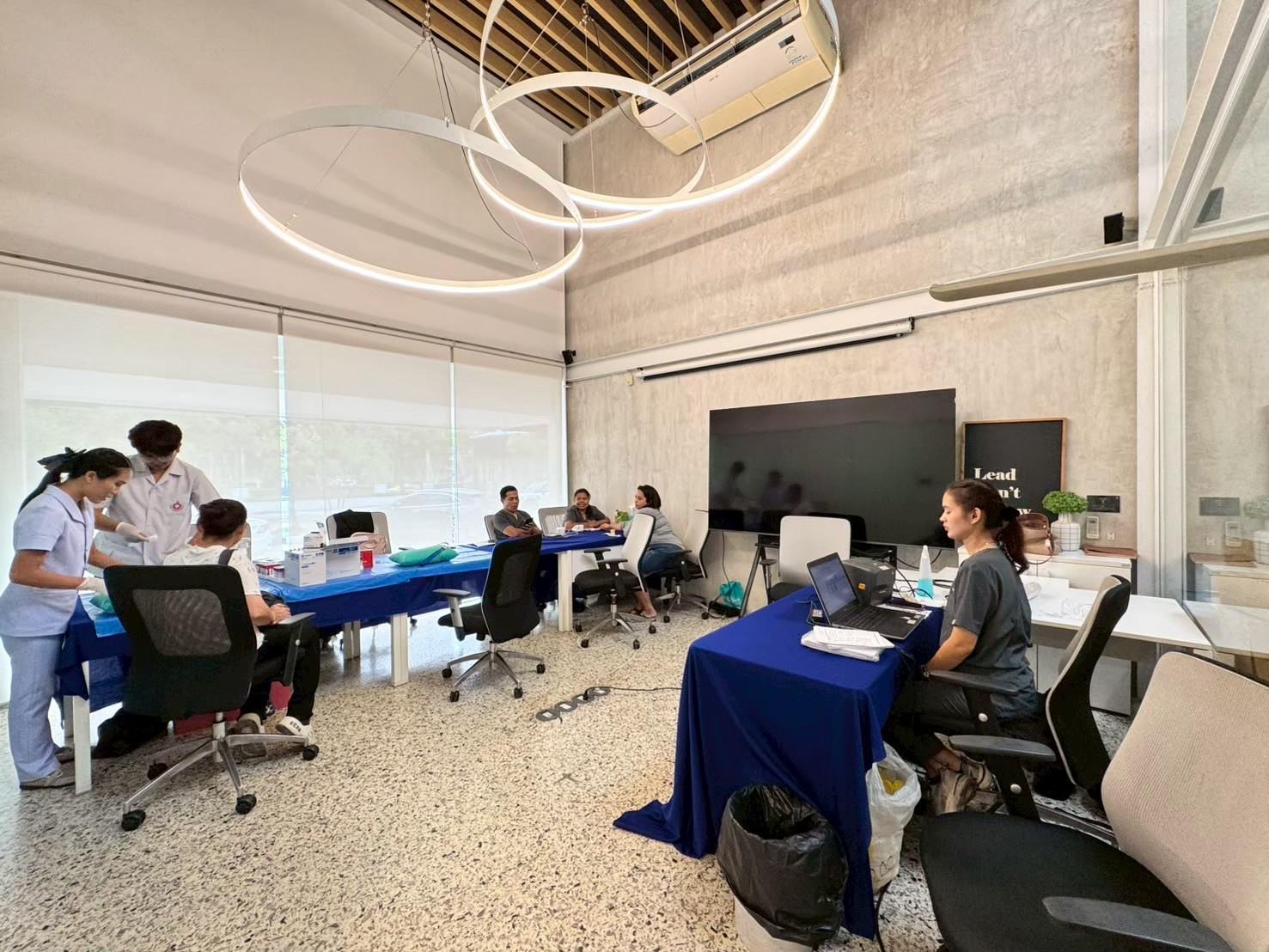
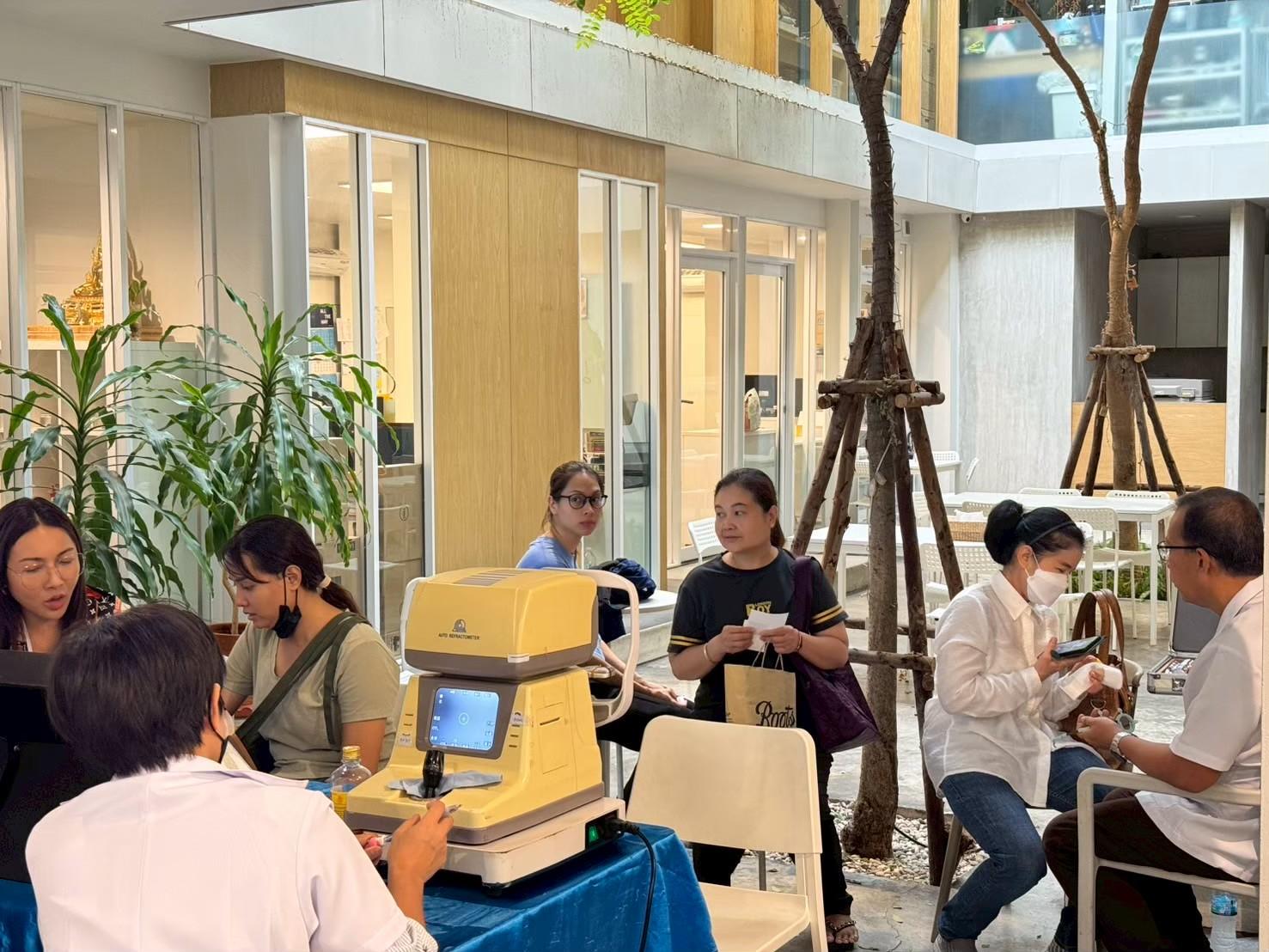
2. Annual basic firefighting and first aid training 2025
- Monday, November 17, 2025, from 09:00-16:00 PM, at the Grand Meeting Room on the 1st floor, Head Office
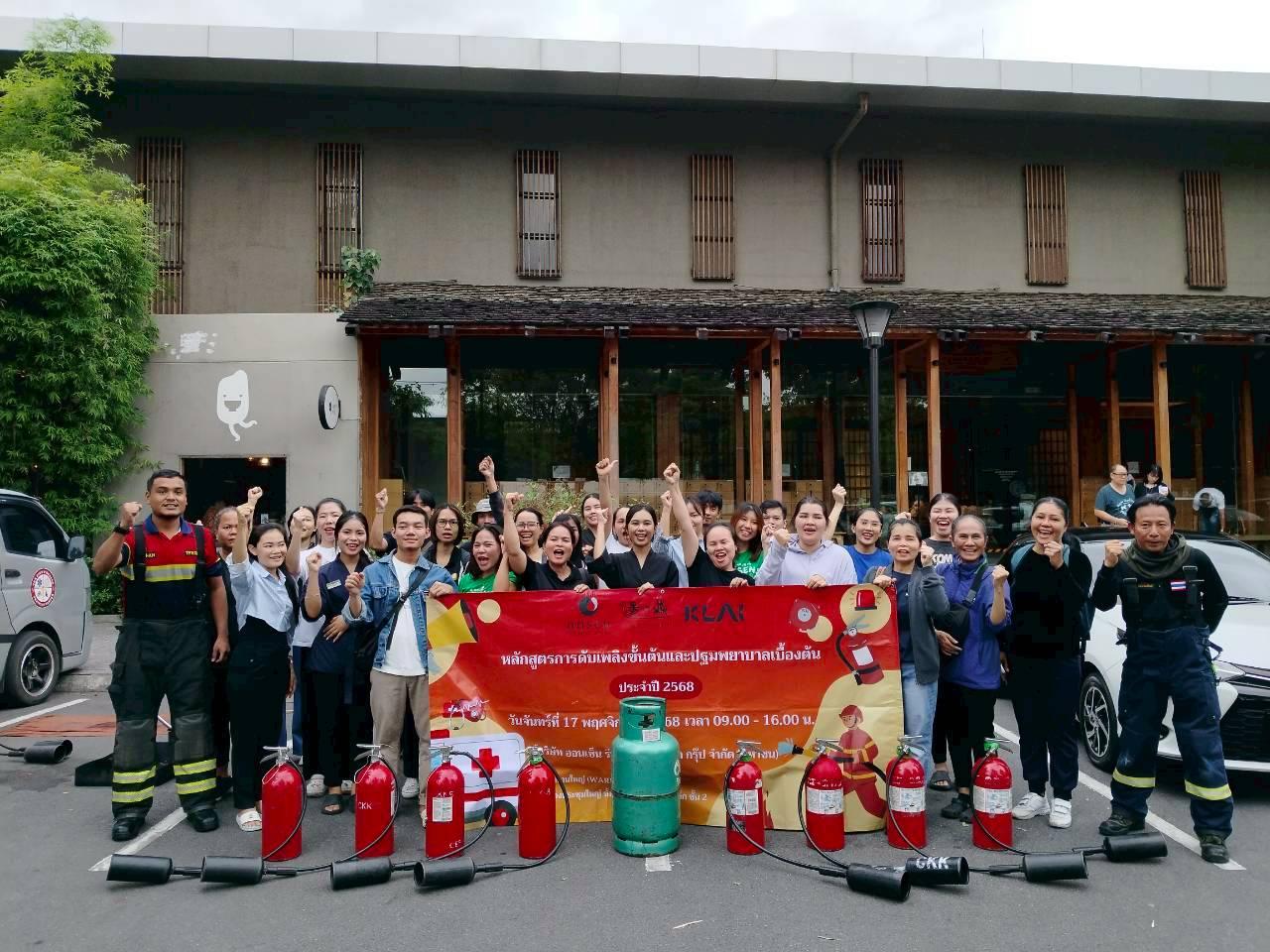
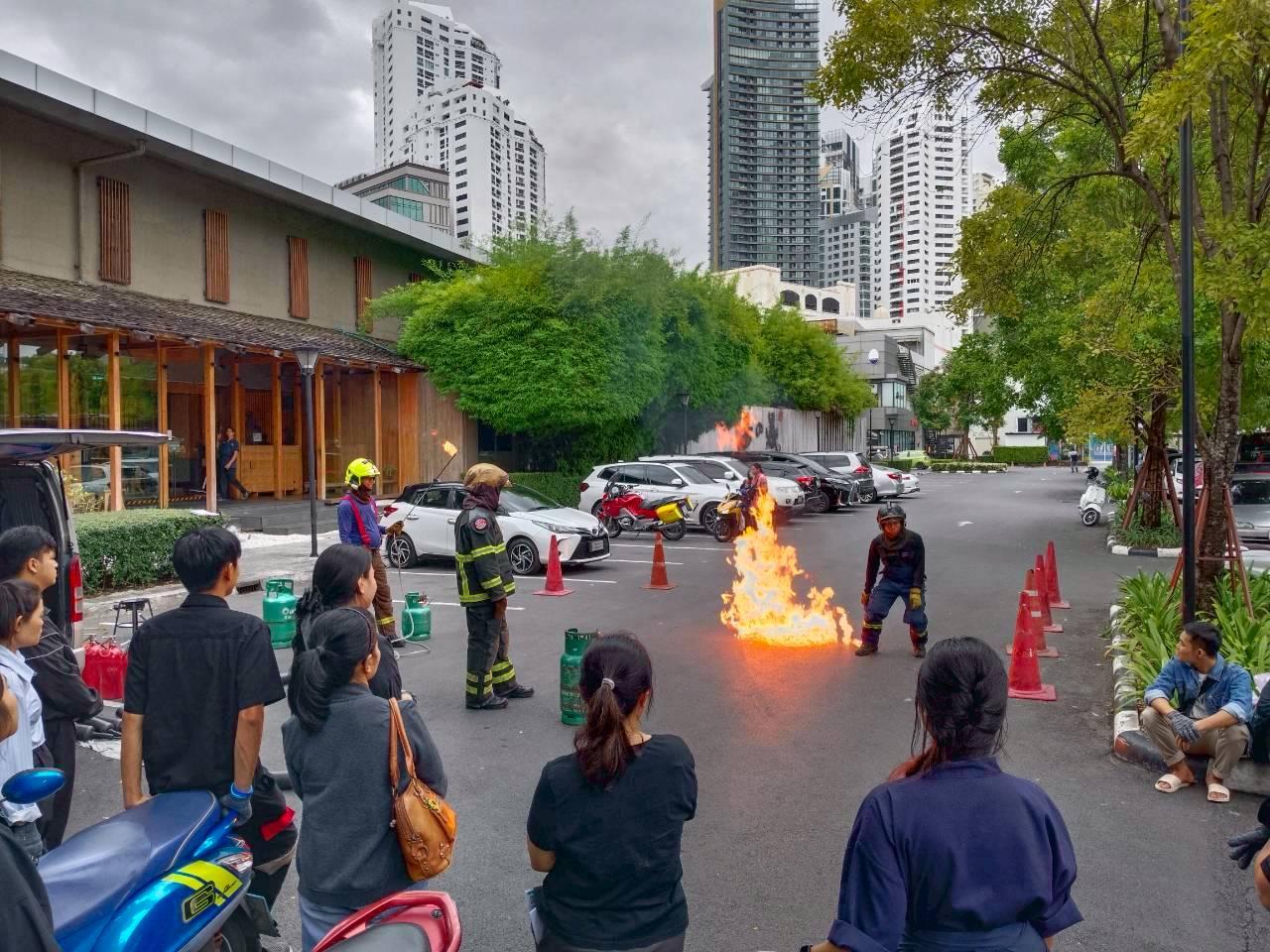
3. Annual fire evacuation training 2025
- Monday, December 1, 2025, from 07:00-09:30 AM, Sukhumvit Branch
- Tuesday, December 2, 2025, from 07:00-09:30 AM, Sathorn Branch
- Monday, December 8, 2025, from 07:00-09:30 AM, Yaowarat Branch
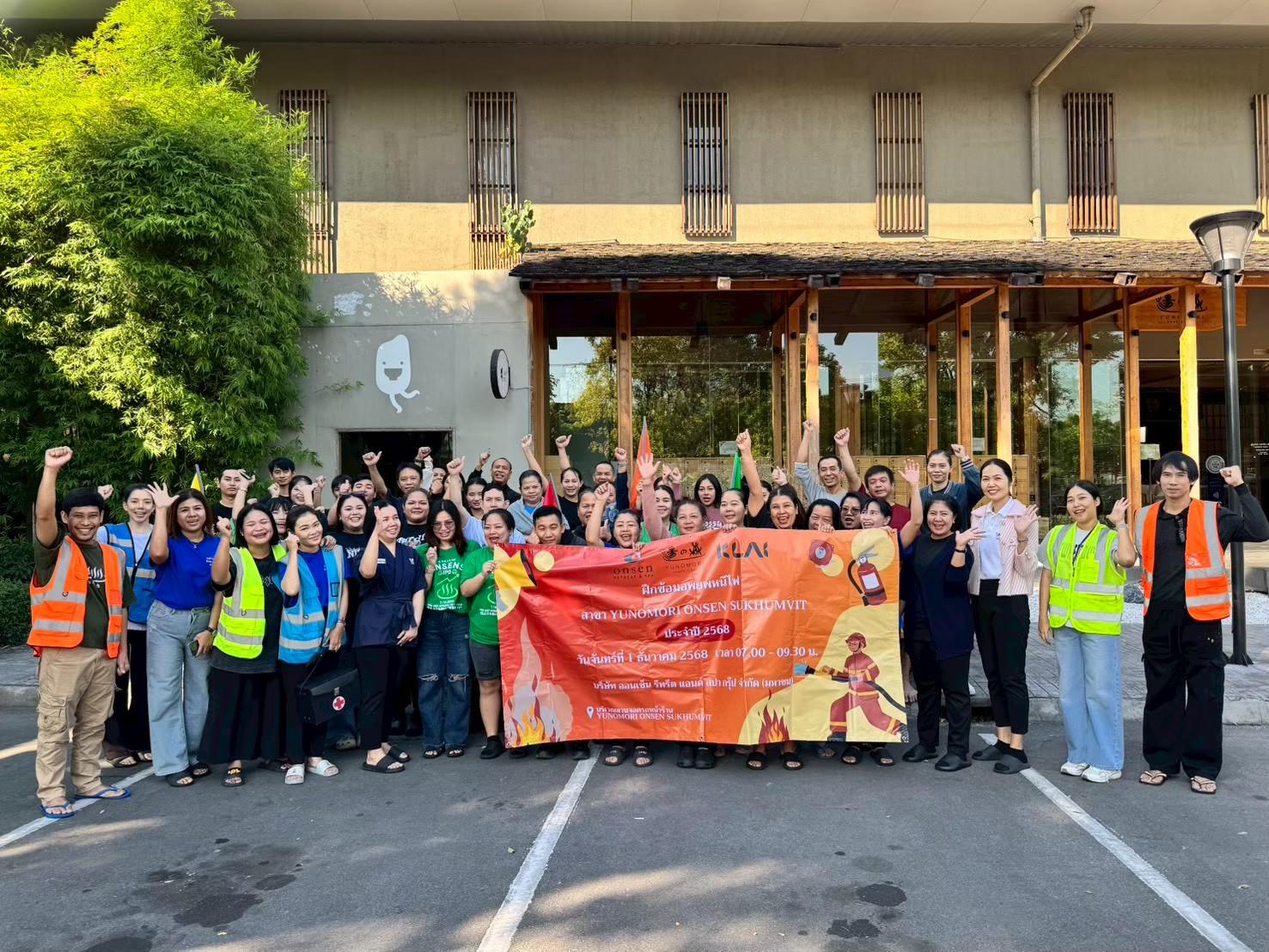
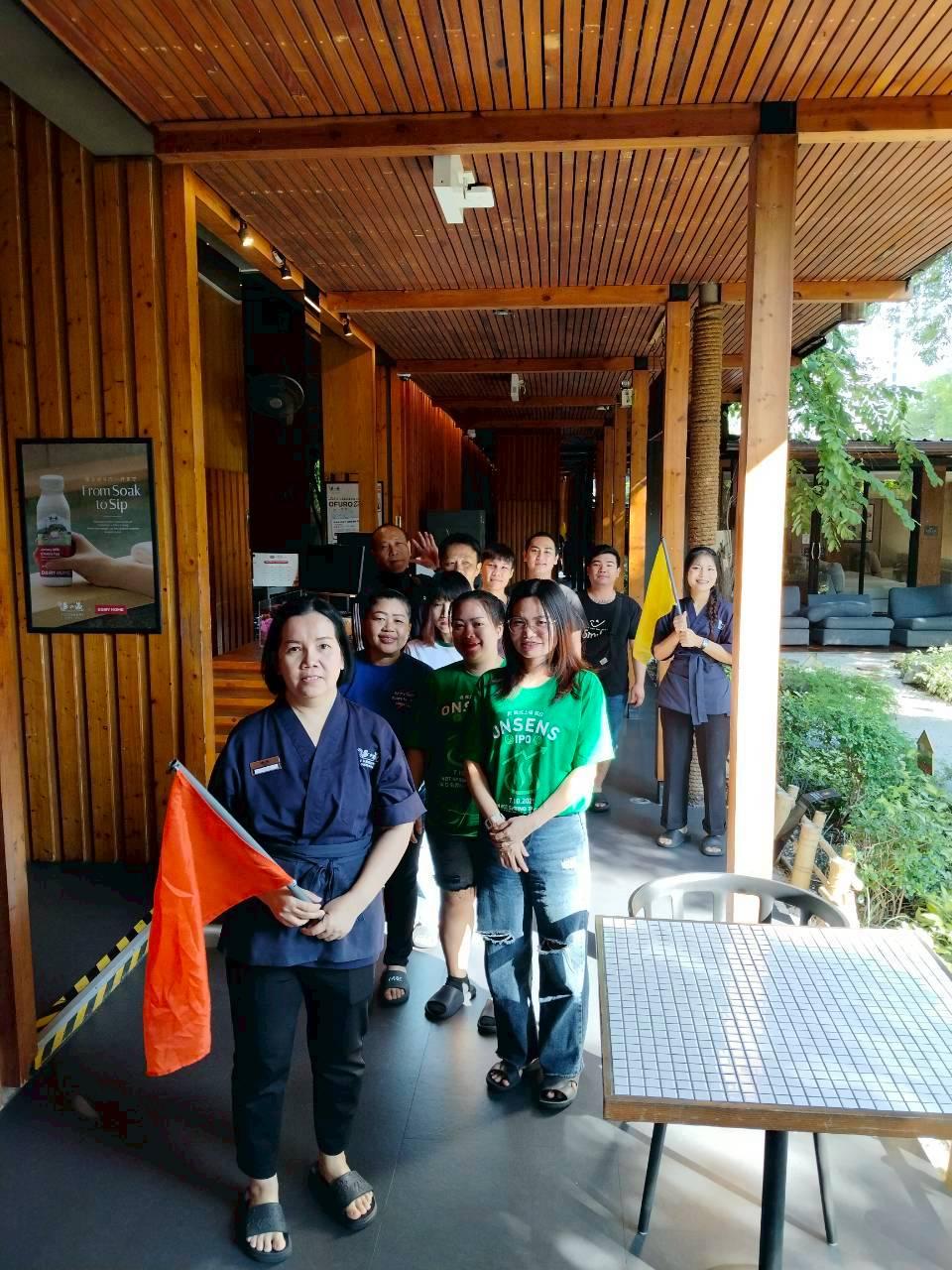
Plan Areas
| Plan Area |
|---|
| Fair employee compensation |
| Employee training and development |
| Promoting employee relations and participation |
| Migrant/foreign labor |
| Child labor |
| Occupational health and safety in workplace |
Employees — Workforce
Workforce Data
| Metric | Current Year | Previous Year | Two Years Ago |
|---|---|---|---|
| Total number of employees (Persons) | 250 | 282 | 253 |
| Number of male employees (Persons) | 66 | 83 | 74 |
| Number of female employees (Persons) | 184 | 199 | 179 |
| Total employment of disabled persons (people) | |||
| Total disabled employees (people) | |||
| Total male disabled employees (people) | |||
| Total female disabled employees (people) | |||
| Total disabled workers who are non-employee (people) | |||
| Contributions to the fund for promoting and improving the quality of life for disabled persons | 1 | 1 | 1 |
| Total number of male employees in operational level (Persons) | 62 | 78 | 72 |
| Total number of male employees in management level (Persons) | 1 | 2 | 0 |
| Total number of male employees in executive level (Persons) | 3 | 3 | 2 |
| Total number of female employees in operational level (Persons) | 163 | 176 | 161 |
| Total number of female employees in management level (Persons) | 18 | 20 | 16 |
| Total number of female employees in executive level (Persons) | 3 | 3 | 2 |
Employees — Remuneration & Provident Fund
Remuneration & Provident Fund
| Metric | Current Year | Previous Year | Two Years Ago |
|---|---|---|---|
| Total disabled employees (people) | 93,270,913.52 | 92,441,857.67 | 77,033,499 |
| Total male employee remuneration (Baht) | 32,284,858.67 | 32,018,710 | 24,679,763.67 |
| Total female employee remuneration (Baht) | 60,986,054.85 | 60,423,147.67 | 52,353,735.33 |
| Number of employees eligible to participate in PVD (persons) | 218 | 245 | 213 |
| Total number of employees joining employee provident fund (Persons) | 103 | 116 | 88 |
| Percentage of total number of employees joining employee provident fund to total number of employees (%) | 41.2 | 41.13 | 34.78 |
| Number of PVD members / Total eligible employees (%) | 47.25 | 47.35 | 41.31 |
| Total amount of provident fund contributed by the Company (Baht) | 2,304,978 | 1,941,465 | 1,467,006 |
| Total amount of provident fund contributed by employee (baht) | 2,997,812 | 1,670,519 | 1,279,143 |
Employees — Training & Development
Training Data
| Metric | Current Year | Previous Year | Two Years Ago |
|---|---|---|---|
| Average employee training hours (Hours / Person / Year) | 6.2 | 5.7 | 2.5 |
| Employee development and training expenses (baht) |
Employees — Occupational Health & Safety
Occupational Health & Safety Data
| Metric | Current Year | Previous Year | Two Years Ago |
|---|---|---|---|
| Total number of lost time injury incidents by employees (Cases) | 0 | 0 | 0 |
Employees — Labour Relations
Labour Relations Data
| Metric | Current Year | Previous Year | Two Years Ago |
|---|---|---|---|
| Total voluntary resignations (Persons) | 187 | 168 | 142 |
| Male employees who voluntary resigned (Persons) | 53 | 44 | 38 |
| Female employees who voluntary resigned (Persons) | 134 | 124 | 104 |
| Percentage of employee turnover leaving the Company voluntarily (%) | 74.8 | 59.57 | 56.13 |
| Evaluation result of employee engagement | 1 | 1 | 1 |
Employees — Employee Representation
Employees Are Represented Collectively
Yes
Forms of Representation
| Form |
|---|
| Welfare committee |
Employees — Targets
Has Set Employee Targets
No
Employees — Performance & Outcomes
Has Performance Results
No
Customers — Plan & Guidelines
Has a Customer Management Plan
Yes
Plan Description
Customer Responsibility
By complying with relevant laws and standards, and considering health, safety, fairness, customer data retention, after-sales service, monitoring and measuring customer satisfaction for service development and improvement, as well as advertising, public relations, and sales promotion (Sales Conduct), which must be conducted responsibly, without causing misunderstanding or exploiting customer misunderstandings.
Plan Areas
| Plan Area |
|---|
| Responsible production and services for customers |
| Communication of product and service impacts to customers/consumers |
| Development of customer satisfaction and customer relationship |
| Protection of customer personal information |
Customers — Satisfaction Results
Customer Satisfaction Results
| Metric | Current Year | Previous Year | Two Years Ago |
|---|---|---|---|
| Evaluation results of customer satisfaction | 1 | 1 | 1 |
Customers — Targets
Has Set Customer Targets
No
Customers — Performance & Outcomes
Has Performance Results
Yes
Performance Description
In November 2024, the Company collaborated with Panyapiwat Institute of Management to sign a Memorandum of Understanding (MOU) under an educational cooperation project. This initiative aims to develop teaching and learning readiness to produce quality personnel in Health and Wellness services, as well as to promote internships and employment opportunities for students of Panyapiwat Institute of Management, thereby advancing their future careers. The first training course for students was launched between February 13 - March 14, 2025. The Company provides scholarship support with a binding condition that students must work for the Company for a period of 2 years after graduation.
Community & Social — Plan & Guidelines
Has a Community & Social Plan
Yes
Plan Description
-
Various Event Marketing Activities The company organizes exhibitions and events based on Japanese festivals and tourism events to attract interested customers, create positive experiences for participants, and differentiate the brand from traditional spa atmospheres. Examples of past activities include:
-
The "Sparkle of Summer" exhibition in collaboration with designers "Greenie & Elfie," integrating characters into various parts of Yunomori, including art displays in the common area of Yunomori Sathorn 10 branch and the design of the Yunomori Signature bath by changing essential oil scents to match the exhibition.
-
Ice Bath class activity with “Robin & Tammy,” experts in teaching methods for therapy and muscle fatigue recovery through ice bathing.
-
Exhibiting at the “Thai Teaw Thai” event, a domestic tourism trade fair. The company participated to promote special offers and promotions. Exhibiting at the event helps reach a large number of customers looking for special offers and packages, thereby stimulating sales and building direct brand awareness among event visitors.
-
Exhibited the KLAI brand at the KAWS: HOLIDAY Thailand event held at Sanam Luang to widely introduce the unique identity of Thai massage art, and also organized a herbal inhaler workshop to highlight the distinctiveness of Thai herbs. The objective of this participation was to build awareness and enhance the brand image of KLAI among both Thai and international visitors.
-
Collaborated on activities with fitness clubs such as SabaiRunClub.bkk and YPS Pilates Club, which are health-conscious groups with a large following. Yunomori offered Ice Bath activities and onsen bathing after exercise at its branches to meet the popular trend of physical recovery.
-
The company collaborated with Dairy Home, an organic milk product brand, to launch the "Soak and Sip" campaign, inspired by the Japanese tradition of drinking milk after an onsen bath to replenish minerals in the body and enhance relaxation after hot water immersion. Additionally, special milk-based menu items were jointly created for sale at Happy Rice restaurant throughout the activity period.
-
Local channel promotion, marketing with independent tour guides and local public transport cooperatives to recommend or invite customers to use the company's services. Independent tour guides or local public transport service providers who refer customers to the company's branches will receive a referral fee as compensation. The company has strict procedures for paying referral fees, verifying important documents such as driver's licenses, cooperative membership cards, and tour guide identification cards. This channel effectively promotes access to target customers in the area.
-
Plan Areas
| Plan Area |
|---|
| Employment and professional skill development |
| Education |
| Religion and culture |
| Sports and recreation |
| Occupational health, safety, health, and quality of life |
| Disadvantaged and vulnerable groups |
| Water and sanitation management |
| Reducing inequality and promoting social equality |
Community & Social — Targets
Has Set Community & Social Targets
No
Community & Social — Performance & Outcomes
Has Performance Results
Yes
Performance Description
In September 2025, the Company organized the "Sharing Smiles" project to donate equipment and items that the Company no longer uses but are still valuable and can benefit society. The Company delivered existing items such as yukata sets, Thai massage sets, towels, and sofa chairs to the volunteer team caring for bedridden patients at Wat Wang Khanai Thayikaram, Tha Muang District, Kanchanaburi Province, to support patient care and improve the quality of life for those under the temple's care.
In November 2024, the Company collaborated with Panyapiwat Institute of Management to sign a Memorandum of Understanding (MOU) under an educational cooperation project. This initiative aims to develop teaching and learning to prepare and create quality personnel in Health and Wellness services, as well as to promote internships and employment opportunities for students of Panyapiwat Institute of Management, thereby furthering their careers in the future. The first training course for students was launched between February 13 - March 14, 2025. The Company provides scholarship support with a binding condition that students must work for the Company for a period of 2 years after graduation.
Law Violation Incidents
Law Violation Incidents
| Metric | Current Year | Previous Year | Two Years Ago |
|---|---|---|---|
| The total number of cases or incidents of significant violations of laws or regulations regarding social and human rights (Cases) | 0 | 0 | 0 |
| The total number of cases or incidents that cause significant labor disputes (Cases) | 0 | 0 | 0 |
| The total number of cases or complaints related to consumer rights violations (Cases) | 0 | 0 | 0 |
| The total number of cases or complaints related to partner rights violations (Cases) | 0 | 0 | 0 |
| The total number of cases or incidents that cause disputes with the community/society (Cases) | 0 | 0 | 0 |
| The total number of cases or incidents related to cyber security or customer data breaches (Cases) | 0 | 0 | 0 |
| The total number of cases or incidents related to safety and occupational health at work (Cases) | 0 | 0 | 0 |